The Timeless Art
of Lost Wax
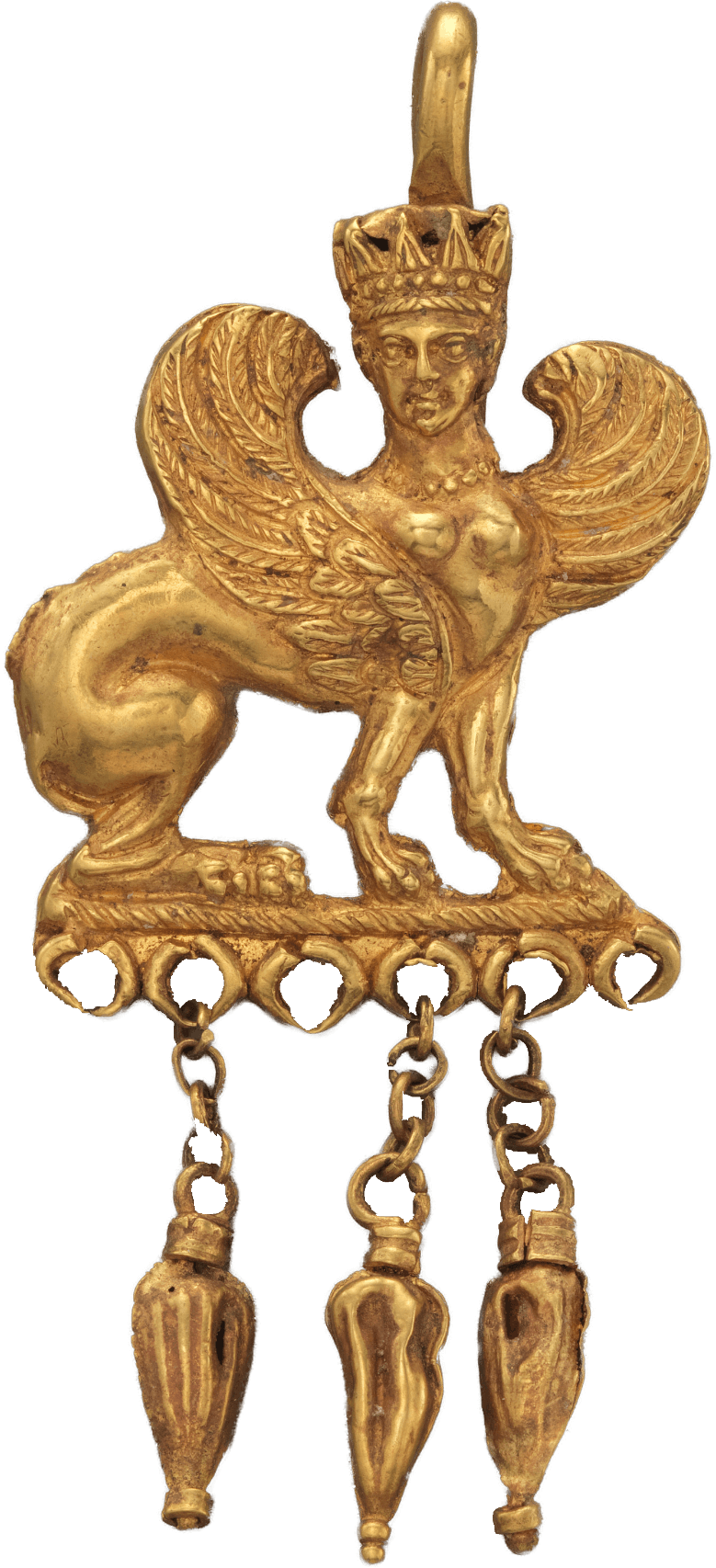
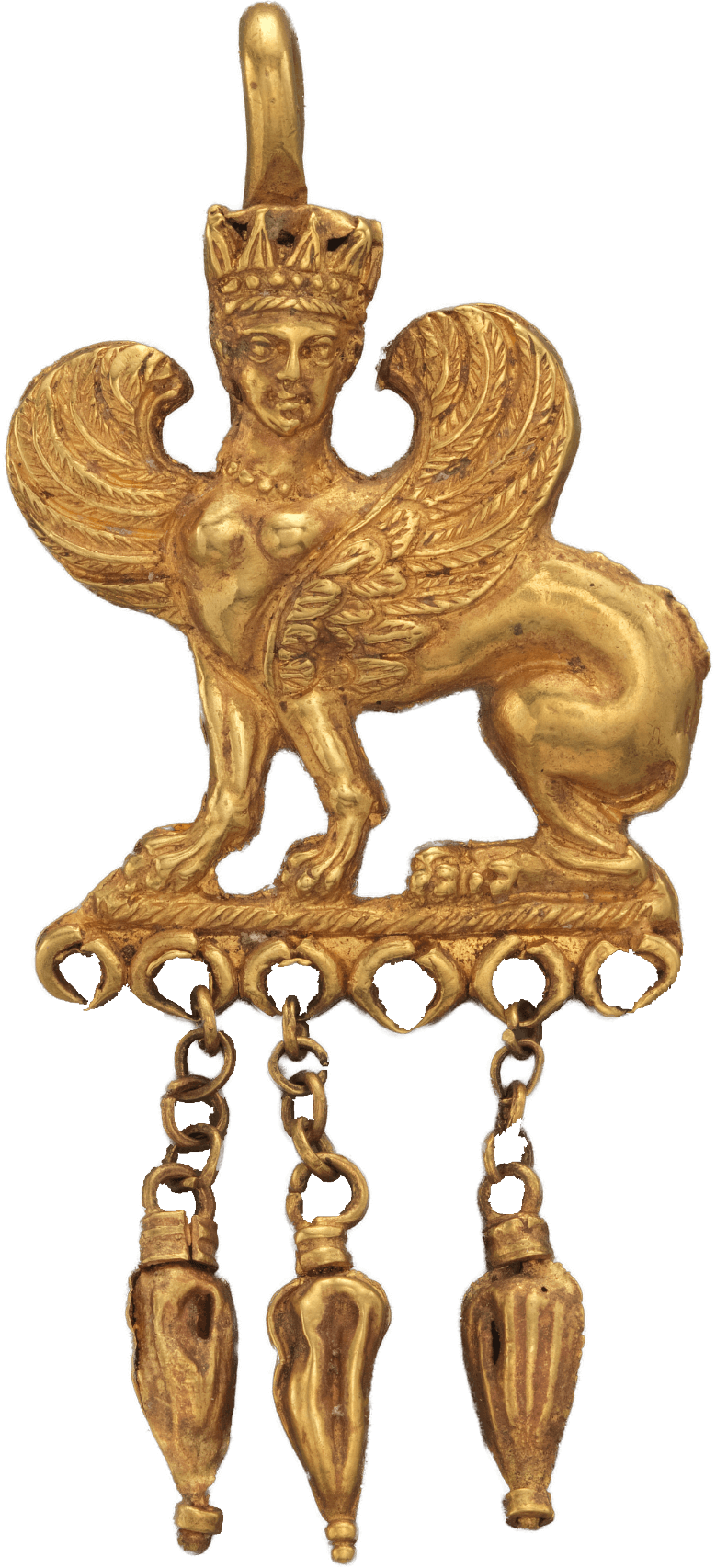
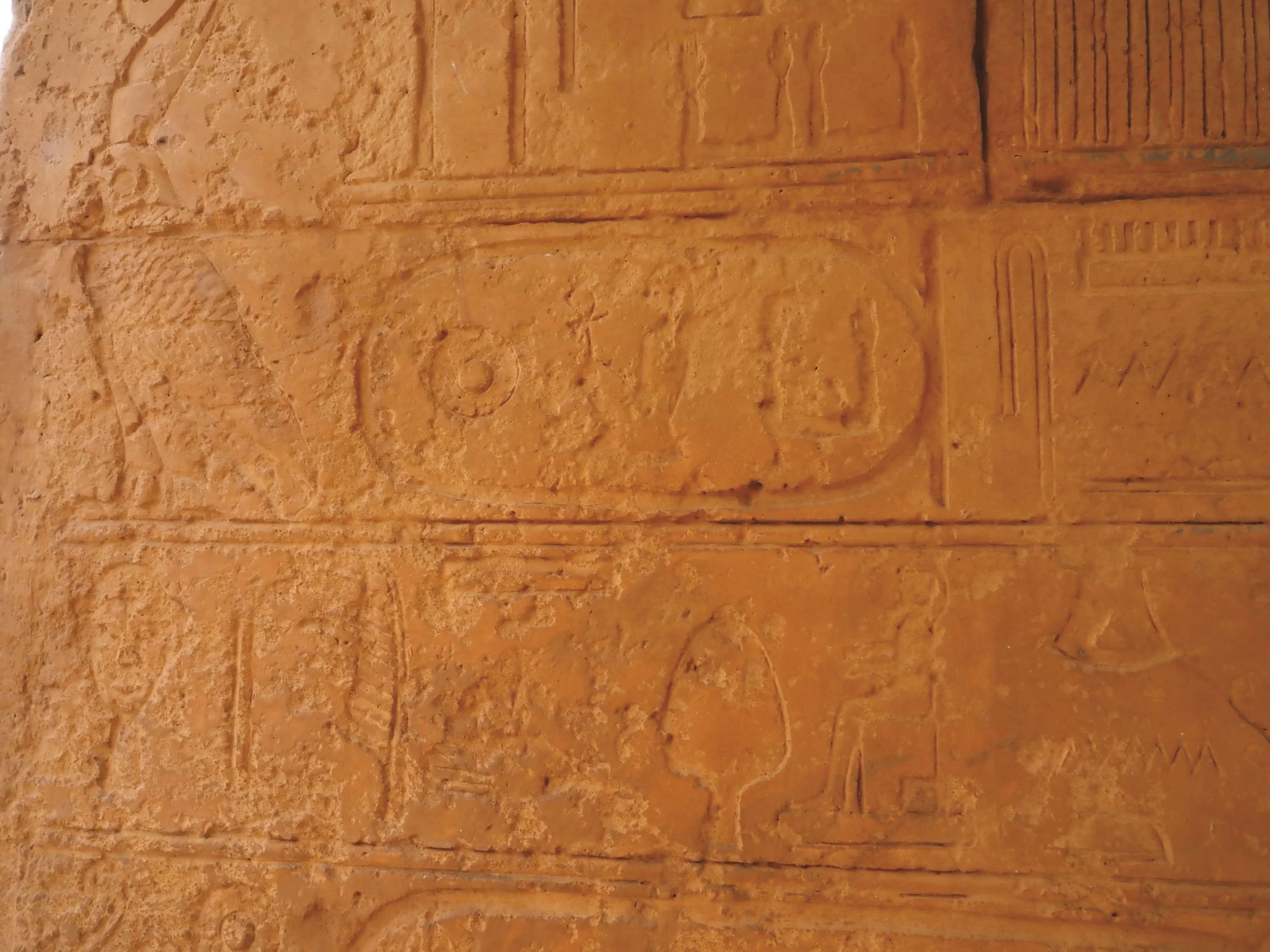
Some of the oldest relics that are displayed in museums, or still yet to be found, were forged using the ancient technique of lost wax casting.
Lost to time, the origins of this jewellery making technique remain a mystery; only found artefacts and jewellery have given us clues to its earliest uses in ancient civilisations from all corners of the world, dating back to more than 6000 years ago.
Despite the advances of technology that have made more efficient and higher quality castings, the process itself has stayed relatively the same.
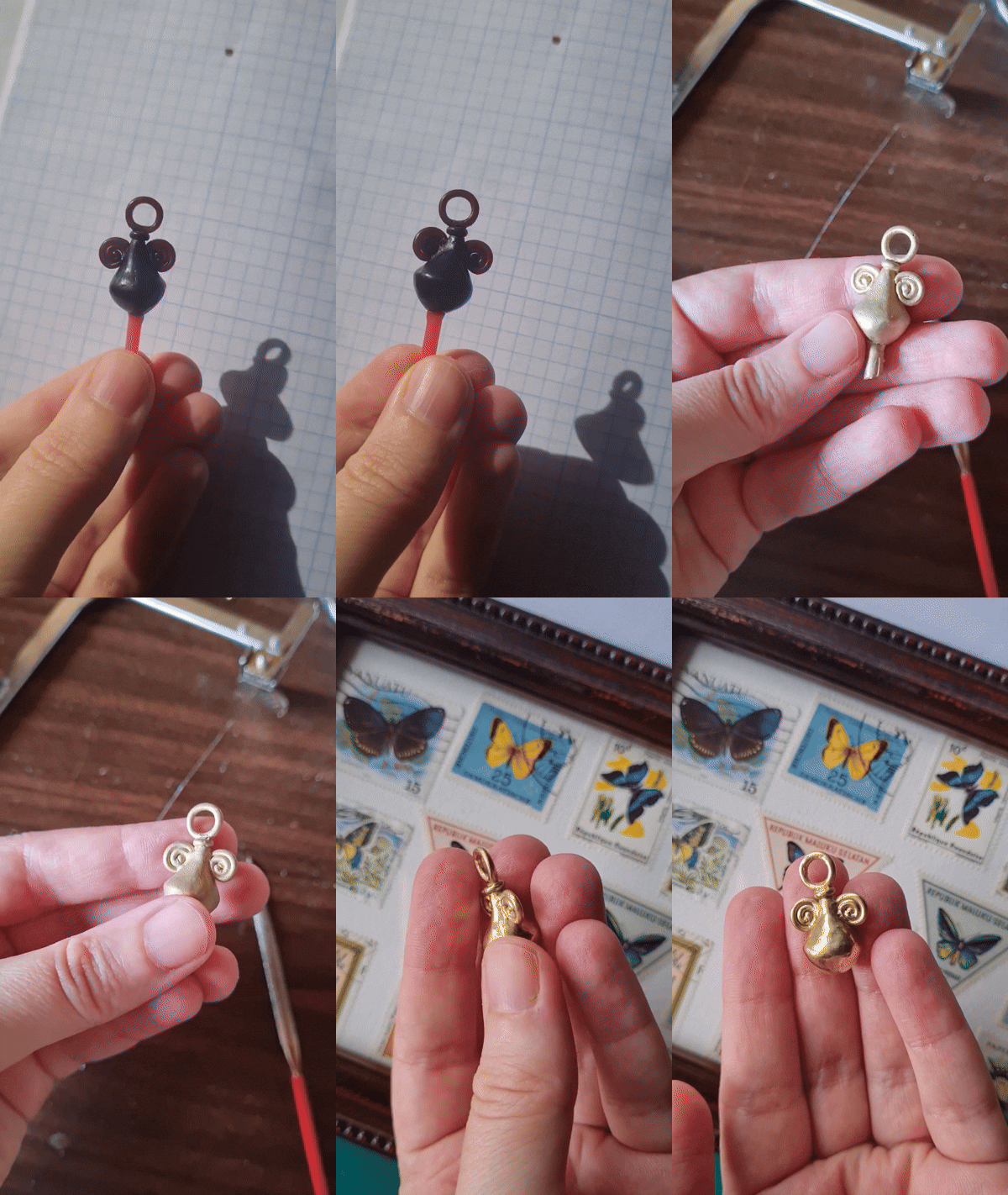
I start by carving, sculpting and building with a variety of different waxes, including beeswax! My models are sent to our trusted local casting house where they set the models in a flask and fill with investment (similar to plaster of paris). It’s then heated and wax pours out leaving a hollow space in the mould - hence the name lost wax!
Molten metal is poured into this space, filling every intricate detail from the original design. And almost like magic, what was once wax is now solid bronze or silver.
When they arrive back to my hands, I get to work on sawing, filing, sanding and polishing until it’s shiny and ready to wear.
A lot of my original designs are also moulded again this time in silicon, so I can recreate the same piece of jewellery. However, no two pieces are identical due to many factors during the casting stage and hand-finishing each piece, making your jewellery unique and one of a kind, as is the beauty of handmade jewellery.
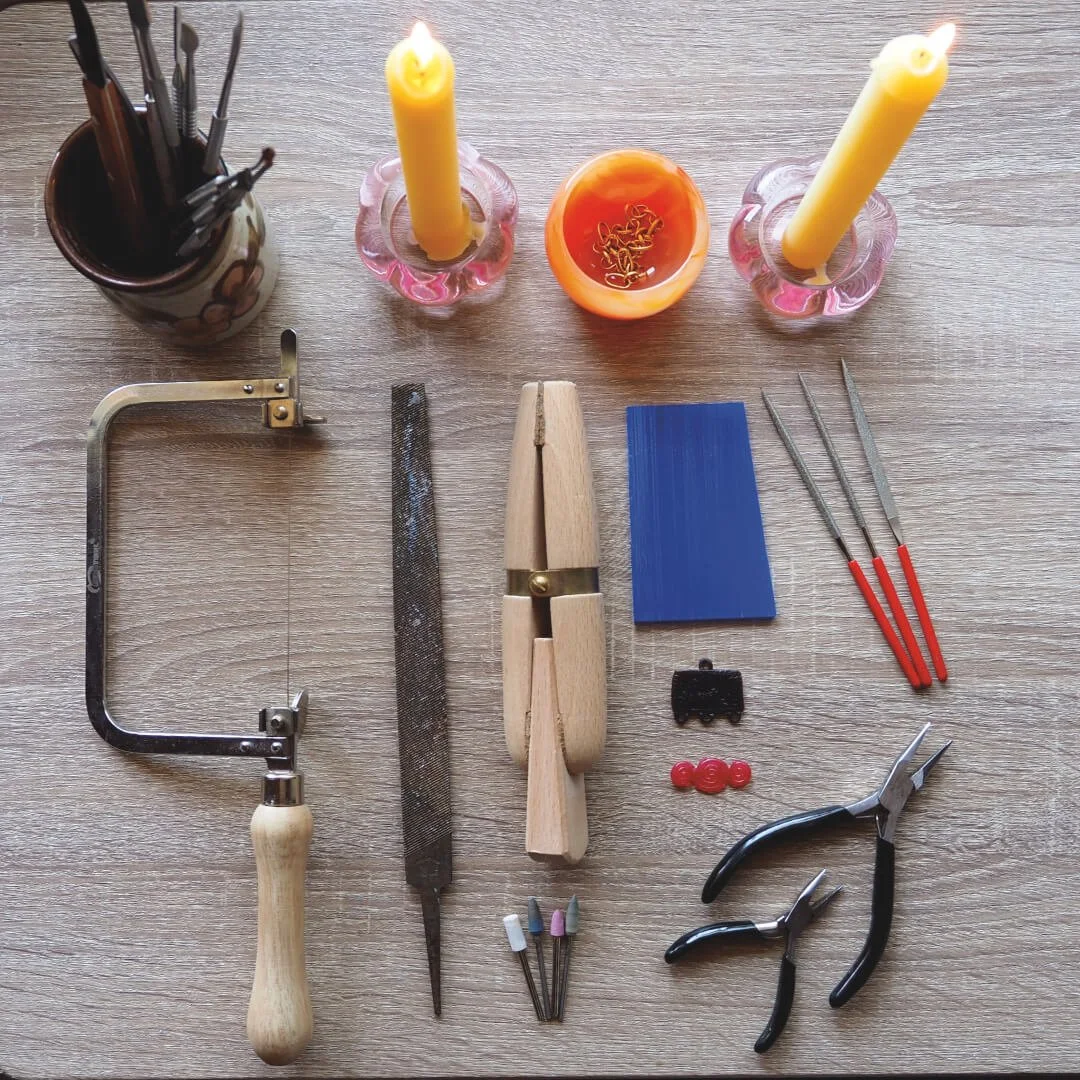
How do I make jewellery with wax?